How Long Does It Take to Install Spray Foam Insulation in a Basement?
A standard basement spray foam insulation job takes 1-2 days for most residential properties. Day one covers preparation and application, day two handles cleanup and final inspection. This timeline...
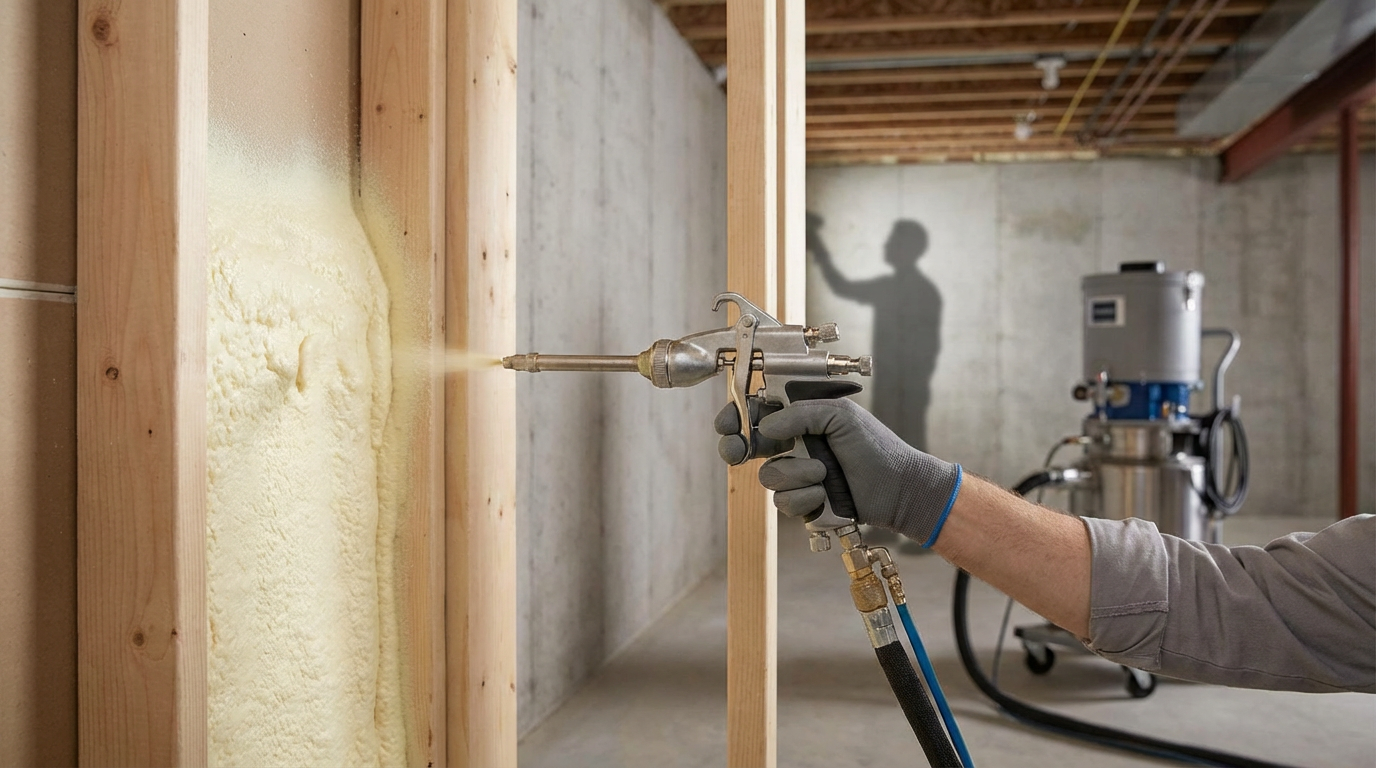
A standard basement spray foam insulation job takes 1-2 days for most residential properties. Day one covers preparation and application, day two handles cleanup and final inspection. This timeline assumes a 1,000-1,500 square foot basement with standard 8-foot ceilings and no major complications.
That's the straight answer. But the devil lives in the details, and understanding what affects this timeline will save you from surprises, delays, and budget overruns. Most contractors won't tell you about the preparation work that happens before they even touch the spray gun, or why rushing the job actually costs more money in the long run.
Why 1-2 Days is the Sweet Spot for Quality Work
Professional spray foam installation follows a specific sequence that can't be rushed without compromising the final result. The foam needs proper cure time between coats, surfaces require thorough preparation, and environmental conditions must be controlled throughout the process.
Here's what actually happens during those two days:
Day 1: Preparation and Primary Application (6-8 hours)
Surface cleaning and prep work (1-2 hours)
Masking and protection setup (30-45 minutes)
Equipment setup and calibration (30 minutes)
First coat application (2-3 hours)
Cure time and inspection (1-2 hours)
Second coat if needed (1-2 hours)
Day 2: Finishing and Quality Control (3-4 hours)
Final inspection and touch-ups (1 hour)
Trimming excess foam (1-2 hours)
Cleanup and equipment removal (1 hour)
Final walkthrough with homeowner (30 minutes)
Contractors who promise same-day completion are either cutting corners on preparation or using inferior application techniques. The foam chemistry requires specific cure times, and rushing this process leads to poor adhesion, gaps in coverage, and reduced R-value performance.
What Affects Installation Speed
Several factors can extend your project timeline beyond the standard 1-2 days. Smart homeowners know these variables before getting quotes, because they directly impact both cost and scheduling.
Basement Size and Configuration
A 2,500 square foot basement with multiple rooms, utility areas, and complex ductwork can push the job to 3-4 days. Each additional 500 square feet typically adds 4-6 hours of work time. Finished basements require more careful masking and protection, which adds another 2-3 hours to the prep phase.
Moisture Issues
Active water leaks or high humidity levels will stop the project cold. Spray foam won't adhere properly to wet surfaces, and trapped moisture leads to mold growth behind the insulation. If your contractor discovers moisture problems during prep, expect a 1-2 week delay while you address the underlying issues.
Accessibility Challenges
Low ceiling heights, tight crawl spaces, or obstacles like large HVAC equipment slow down application significantly. Standard spray guns need 6-8 feet of clearance for proper technique. Restricted access areas require smaller equipment and more careful application, which can double the installation time for those sections.
Temperature and Humidity Control
Spray foam requires specific environmental conditions: 65-85°F temperature and less than 85% humidity. Winter installations in unheated basements often require temporary heating, which adds setup time and may delay the start until proper conditions are achieved.
Why Faster Isn't Always Better
The spray foam industry has a dirty secret: speed kills quality. Contractors under pressure to finish quickly skip crucial steps that ensure long-term performance. Understanding why proper timing matters protects your investment and prevents costly repairs down the road.
Proper Cure Time Prevents Callbacks
Each spray foam coat needs 30-60 minutes to cure before the next application. Contractors who spray too quickly create weak bonds between layers, leading to delamination and gaps that reduce insulation effectiveness. This is why blog automation and marketing for small businesses in the insulation industry emphasize quality over speed—reputation matters more than quick turnaround.
Thorough Preparation Saves Money
Rushing the prep work leads to overspray on HVAC equipment, electrical panels, and finished surfaces. Professional cleanup of overspray costs $500-1,500 per incident, far more than the time saved by skipping proper masking. Quality contractors spend extra time on preparation because it prevents expensive mistakes.
Environmental Control Ensures Performance
Spray foam applied in poor conditions doesn't achieve its rated R-value. The foam may look fine initially but perform poorly over time, leading to higher energy bills and comfort issues. Contractors who control temperature and humidity throughout the process deliver insulation that meets or exceeds performance specifications.
Alternative Installation Methods and Their Timelines
Some contractors offer alternative approaches that promise faster installation, but each comes with trade-offs that affect long-term performance and value.
Batt Insulation (Same Day Installation)
Fiberglass or mineral wool batts can be installed in a basement in 4-6 hours. The material costs less upfront, and installation requires minimal equipment. However, batts don't air seal, allow thermal bridging through framing, and lose effectiveness when compressed or wet. For basement applications, batts deliver 30-40% less energy savings than properly installed spray foam.
Rigid Foam Boards (1-2 Days)
Foam board insulation offers good thermal performance and can be installed relatively quickly. Installation involves cutting boards to fit, securing with fasteners, and sealing joints with tape or caulk. While faster than spray foam, rigid boards create thermal bridges at fasteners and require careful air sealing at all joints to prevent air leakage.
Blown-In Cellulose (Same Day)
Cellulose insulation can be blown into basement walls in a few hours, but it requires a vapor barrier installation and doesn't provide air sealing. The material settles over time, creating gaps at the top of wall cavities. In basement applications, cellulose is prone to moisture absorption and mold growth.
None of these alternatives match spray foam's combination of insulation and air sealing performance. While they install faster, they require additional work to achieve comparable energy efficiency, often making the total project timeline longer than spray foam installation.
What Preparation Work Happens Before Installation Day
Professional spray foam installation begins weeks before the crew arrives at your house. Understanding this preparation phase helps you plan the project timeline and avoid delays.
Site Assessment and Planning (1-2 weeks before)
The contractor performs a detailed assessment of your basement, measuring areas, identifying obstacles, and checking for moisture issues. They develop a specific plan for equipment access, material quantities, and application sequence. This planning phase prevents surprises that could delay the actual installation.
Permits and Inspections
Many jurisdictions require permits for spray foam insulation, especially when covering electrical equipment or changing building envelope characteristics. Permit approval can take 1-3 weeks depending on local requirements. Some areas require mid-installation inspections that can add a day to the timeline.
Material Ordering and Delivery
Spray foam materials have specific storage and handling requirements. Contractors typically order materials 3-5 days before installation to ensure proper temperature conditioning. Chemical components that are too cold or too hot won't mix properly, leading to poor foam quality.
Homeowner Preparation Tasks
You'll need to complete several preparation tasks before installation begins. Remove stored items from the basement, ensure clear access paths for equipment, and arrange temporary relocation if the basement includes living spaces. Failing to complete these tasks on schedule can delay the installation start date.
How to Ensure Your Project Stays on Schedule
Smart planning prevents delays and ensures your spray foam installation finishes on time. These specific steps protect your timeline and budget.
Address Moisture Issues First
Schedule a moisture inspection 2-3 weeks before planned installation. If problems are discovered, you'll have time to fix them without delaying the insulation work. Common issues include foundation cracks, poor drainage, or plumbing leaks that require professional repair.
Coordinate with Other Trades
Complete electrical, plumbing, and HVAC rough-in work before spray foam installation. Changes to mechanical systems after foam application require cutting and patching, which compromises the air seal and adds time and cost to the project.
Plan for Weather Delays
Extreme temperatures or high humidity can delay spray foam installation. Schedule your project during moderate weather periods when possible, and build 2-3 days of buffer into your timeline for weather-related delays.
Verify Contractor Scheduling
Confirm your installation dates 1 week before the scheduled start. Reputable contractors maintain detailed schedules and communicate proactively about any changes. Last-minute schedule changes often indicate poor project management or overbooked crews.
Special Considerations That Add Time
Certain basement conditions require additional time and specialized techniques that extend the standard installation timeline.
Asbestos or Lead Paint
Homes built before 1980 may contain asbestos insulation or lead paint that requires special handling. Environmental testing and abatement can add 1-2 weeks to the project timeline and significantly increase costs. Never attempt to remove these materials yourself.
Historic or Custom Homes
Unusual construction methods, irregular framing, or preservation requirements slow down installation significantly. Historic homes often have unique architectural features that require custom masking and careful application techniques. Expect 50-100% longer installation times for these properties.
Multi-Zone Applications
Basements with separate heating zones or complex HVAC systems require careful planning to maintain proper system operation. The contractor may need to install the foam in phases, allowing certain areas to cure before moving equipment or accessing adjacent zones.
Code Compliance Issues
Some jurisdictions have specific requirements for spray foam applications, including fire-rated barriers or ventilation modifications. These requirements can add 1-2 days to the installation timeline and require coordination with building inspectors.
Frequently Asked Questions
Can spray foam insulation be installed in one day?
While technically possible for small basements, single-day installation typically compromises quality. Proper surface preparation, cure time between coats, and thorough cleanup require at least 1.5-2 days for most residential basements.
What happens if it rains during installation?
Light rain doesn't affect basement spray foam installation since the work happens indoors. However, high humidity from storms can delay the project if basement humidity exceeds 85%. Most contractors monitor weather conditions and adjust schedules accordingly.
How long before I can use my basement after installation?
You can safely occupy the basement 24 hours after installation completion, once the foam has fully cured and any chemical odors have dissipated. Some sensitive individuals may want to wait 48-72 hours before extended occupancy.
Does the contractor need access to my whole house?
Equipment access typically requires a clear path from the truck to the basement, usually through a main entrance and down basement stairs. The contractor doesn't need access to living areas unless routing hoses through the house is the only option.
What if my basement has a finished ceiling?
Finished ceilings require removal for proper spray foam application to rim joists and band boards. This adds 1-2 days to the project timeline and increases costs for drywall removal and replacement.
Can I do other work in the basement during installation?
No other work should happen in the basement during spray foam installation. The chemicals require proper ventilation and safety equipment, and overspray can damage other materials or equipment. Plan other basement projects before or after insulation installation.
The Bottom Line on Installation Timeline
Professional spray foam insulation installation takes 1-2 days for standard residential basements because quality work requires proper preparation, controlled application, and adequate cure time. Contractors who promise faster completion are either working on unusually simple projects or cutting corners that compromise long-term performance.
Your basement insulation will perform for decades, making it worth investing the time to do it right. The energy savings, comfort improvements, and moisture control benefits of properly installed spray foam far outweigh the minor inconvenience of a two-day installation timeline.
Choose contractors who prioritize quality over speed, plan for potential delays, and prepare your basement properly before installation begins. This approach ensures your spray foam insulation delivers maximum performance and value for years to come.